
Stolen Hour
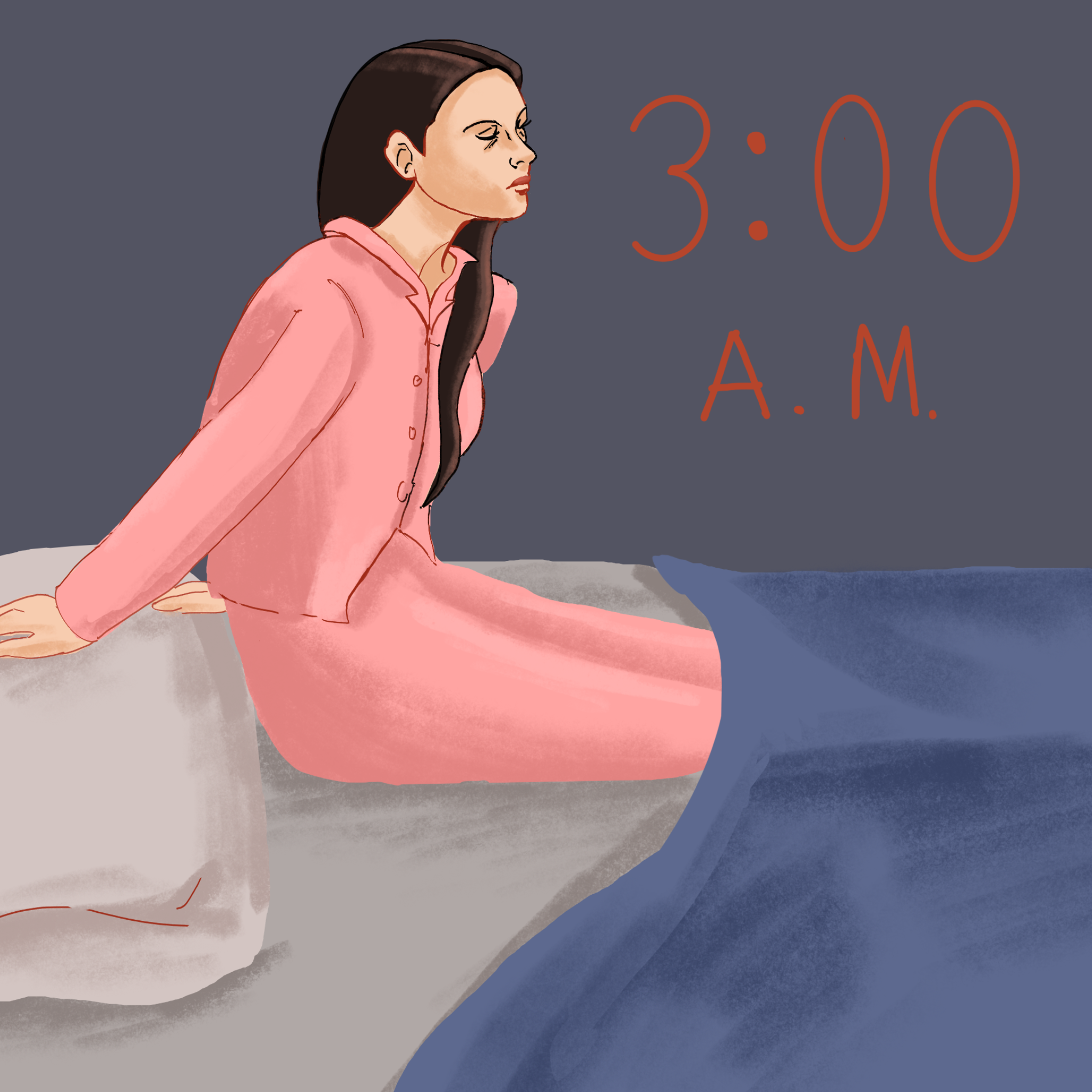
Illustration by Noelle Mitcham
Article by Avery Duffy
NEWBERG, Ore. – In 2026, the one day designated for celebrating women and promoting the Women’s Rights Movement happens to fall on daylight savings time, the only day of the year that has 23 hours instead of 24.
The concept of something being taken from women on their day of celebration seems ironic. While this is a chance alignment of the calendar with zero deliberate intent to steal, it puts this day in a new light, offering space for contemplation on the significance of celebrating women and the importance of this day.
As found on the International Women’s Day webpage, this holiday originated in New York on Feb. 28, 1909, when Theresa Malkeil proposed a day of commemoration for the 1857 New York City women garment workers.
Inspired by the idea of a day for women’s celebration, German socialist Luise Zietz suggested this day be an annual recurrence and celebrated internationally. This got support from over 100 women delegates from 17 countries.
On March 19, 1911, International Women’s Day was marked for the first time, signifying the power women held to fight against gender inequality.
Two years later, on March 8, 1913, Russia recognized International Women’s Day as women in St. Petersburg went on strike, demanding the end of World War I and Russia’s food shortage. This led to women being granted the right to vote in Russia and further spread awareness of women’s value in society.
While International Women’s Day came to fruition through the courageous power women chose to execute by standing up, some feel the representation of women through a holiday means nothing if the extra attention doesn’t spark change in everyday life.
Melanie Mock, a current English professor at George Fox University (GFU), says the day is important but that she wishes it didn’t feel so gratuitous. She explains that recognition of what women bring to our communities should go beyond a singular day and that societal changes matter much more.
“What women probably want more is pay equity, paid family leave, reproductive rights, good healthcare and to not be scapegoated for all of our society’s ills,” Mock says. “Having everyone in the US acknowledge that women should retain those rights matters to me far more than a day of recognition.”
Reflection of support within a society depends on the claimed support that should be sustained beyond a labeled day–such as Women’s Day.
From a Christian perspective, these conversations can be especially important as female Christ supporters seek purpose. Mock says that biblical message for women may not seem liberating but that “Jesus worked throughout his ministry to empower women as well as men; to preach the Good News, which is for all people.”
While the irony of a 23 hour holiday of women recognition stands, the importance of International Women’s Day is grounded in power, support, beauty and courage, bringing light and acknowledgment to women’s capabilities beyond March 8.